I’ve worked on a mixture of rescue Strat projects, refurbs and mods — for myself, friends, or customers. Here’s a selection of these …
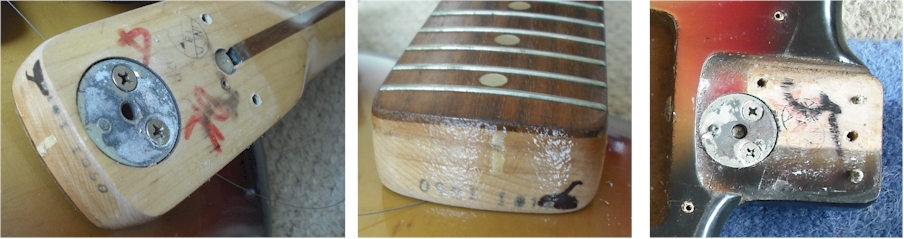
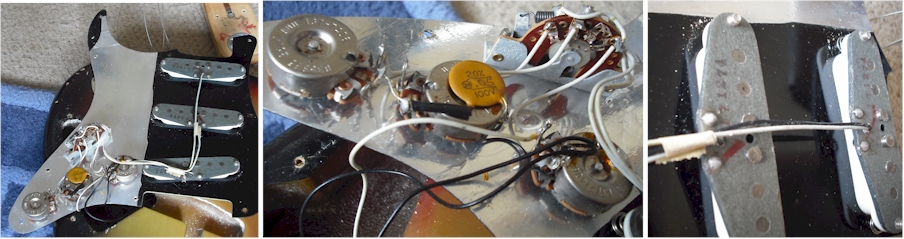
Fender Stratocaster USA mid 1970s sunburst natural relic
Sold on behalf of a friend who’d gigged it heavily (and previously owned by my brother – who bought it new in the mid 70s). One of the better ones out of the CBS factory. Still pulling her weight.

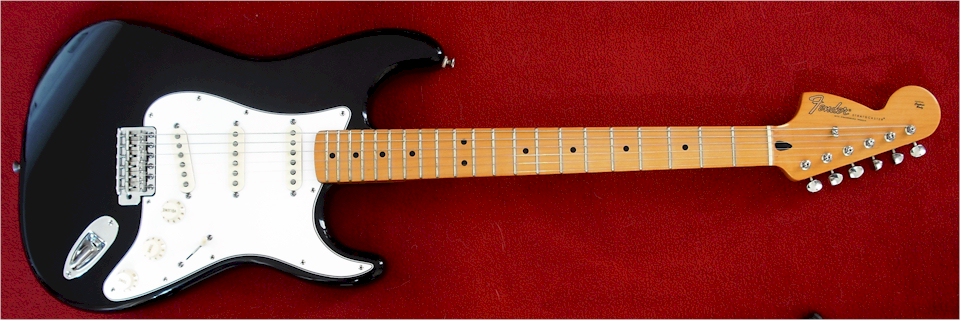
Fender Stratocaster USA – 1994 40th anniversary model
Love the anniversary insignia on the headstock with these.

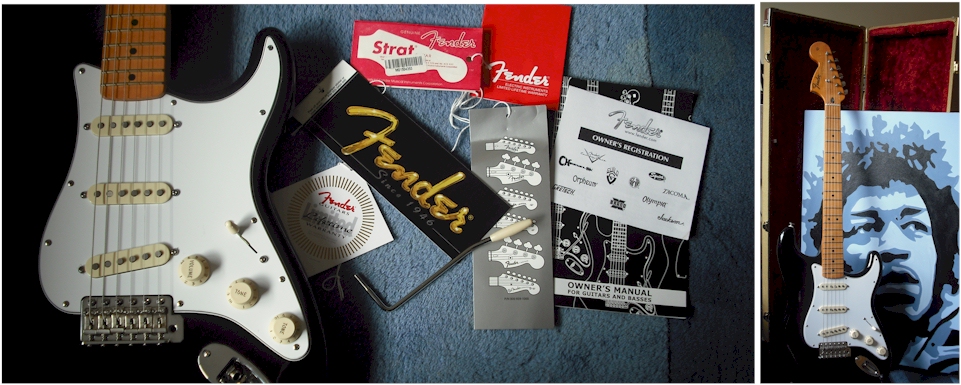
Fender Stratocaster – Jimi Hendrix Signature model (made in Mexico)
These are hi-spec guitars, though the switched 70s headstock kind of always looks goofy – and the bridge pup tilted the other way. This one was in tip-top condition. Only a small set-up needed.
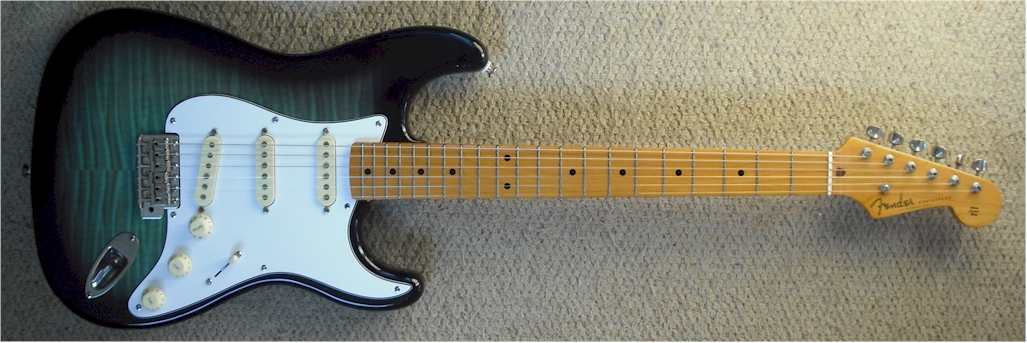
Fender Stratocaster – Blue foto flame, ’54 reissue made in Japan
Like ’54 RI models, this one had a V neck. In great condition, considering the foto flame bodies almost always split over time.
Fender Stratocaster – Red foto flame, ’62 reissue made in Japan
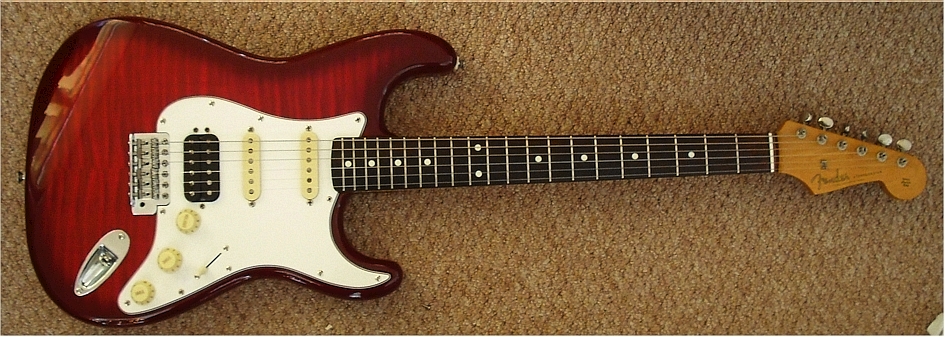
Much better C profile neck with the ’62 RI in my humble opinion. But the body had so many splits. Also had been routed for a HB at the bridge. So I took advantage and added a Seymour Duncan pup for extra oompth.
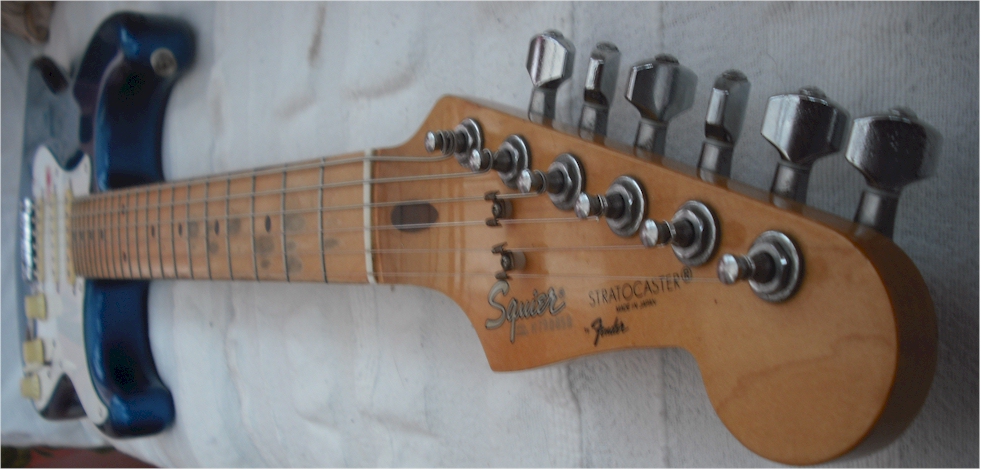
Fender Squier Stratocasters – made in Japan
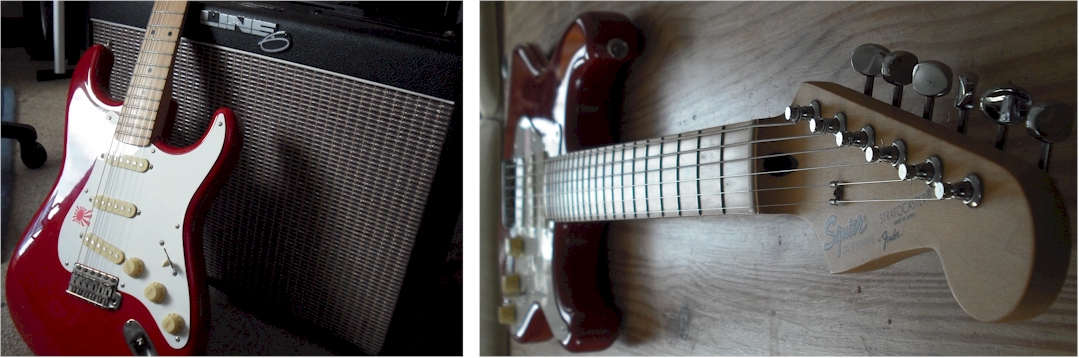
Probably the most common MIJ models still around, usually from the early 90s with serial numbers generally in L, M, N, O, P range. Nothing like the quality of a JV, SQ or later vintage reissue models. But still a decent workhorse. Here are shots of a few I’ve worked on.
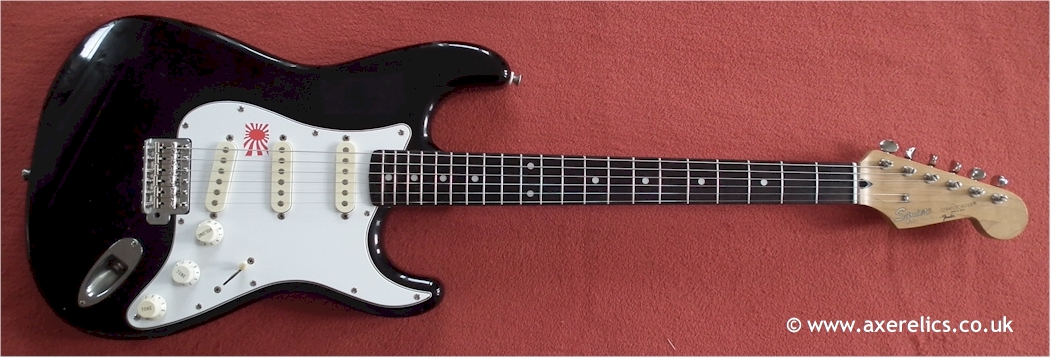
What’s good about them? Great necks, edgy-sounding MIJ pickups (albeit magnets). What’s not so good? Well, they usually have particle bodies (a kind of high-density MDF stuff) – thin too at 40mm, rather than the usual Strat thickness. But thing you can upgrade easily are the clunky tuners – I usually swap out these for Kluson-style ones.
Fender Squier Stratocasters – made in Japan – Silver Series neck
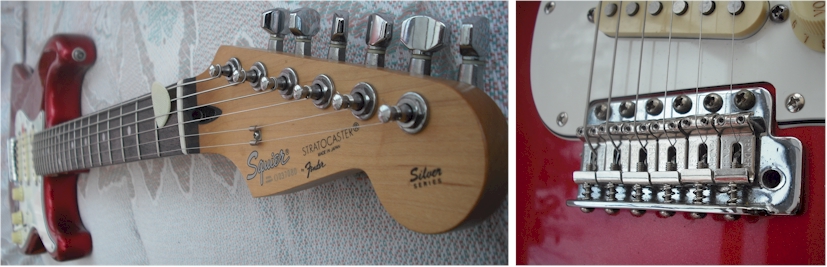
The actual guitar above is a Silver Series Squier neck paired with an MIJ body. But the Silver Series models are not simply any Squier with a silver logo – they are the Japanese-made models with ‘Silver Series’ written on the ball of the headstock. Typically, Silver Series are much better. They have full thickness 44.5mm bodies (usually basswood) and GOTOH tuning pegs.
Fender Squier Stratocaster – SQ serial made in Japan
Next to JV models, these are the best Japanese Squiers, dating from the early 1980s and pretty rare. They have a 70s Fender vibe about them with the bullet truss at the neck, the larger headstock and the three-point neckplate.
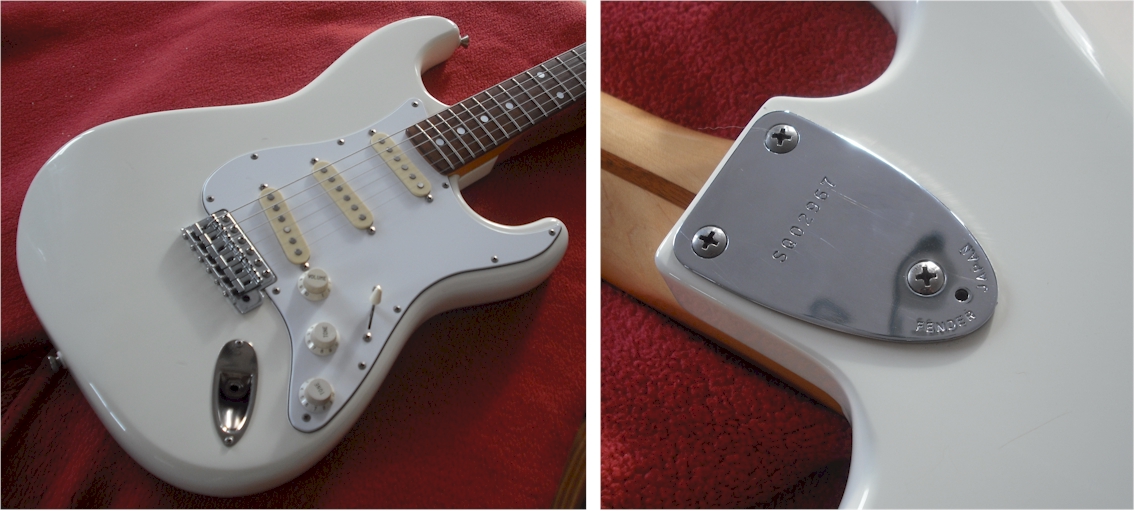
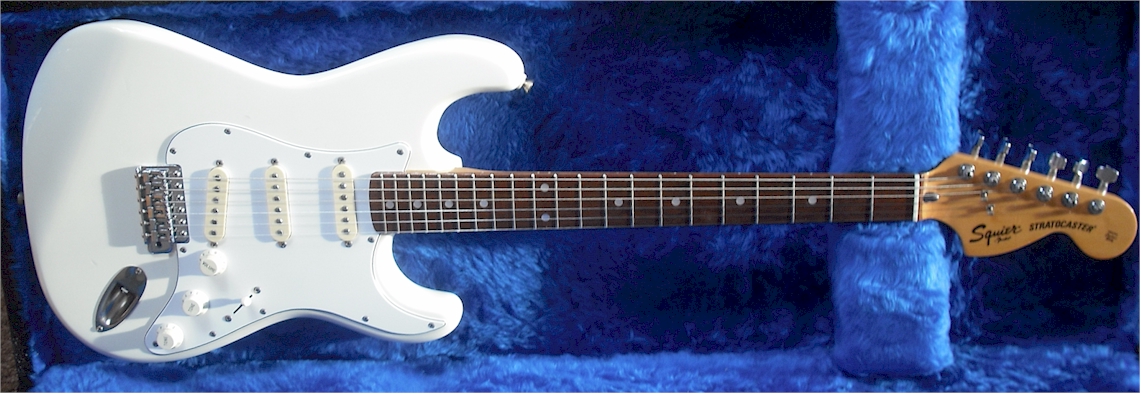
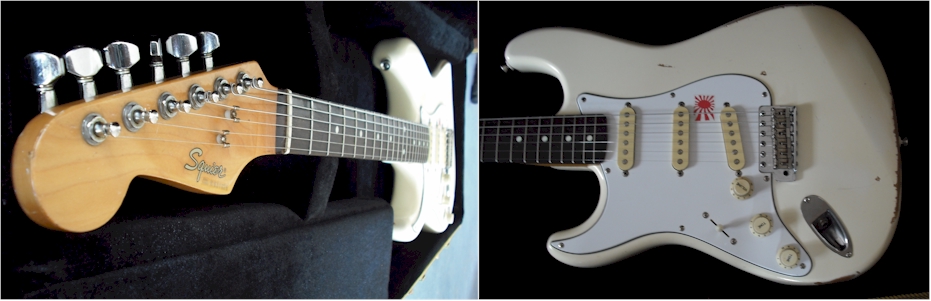
Fender Squier Stratocaster – E serial, 1984-87, made in Japan
These came after the SQ models (though there’s a few ‘A’ serials around 83/84 just before these). I love the wear to the fretboard on this one.
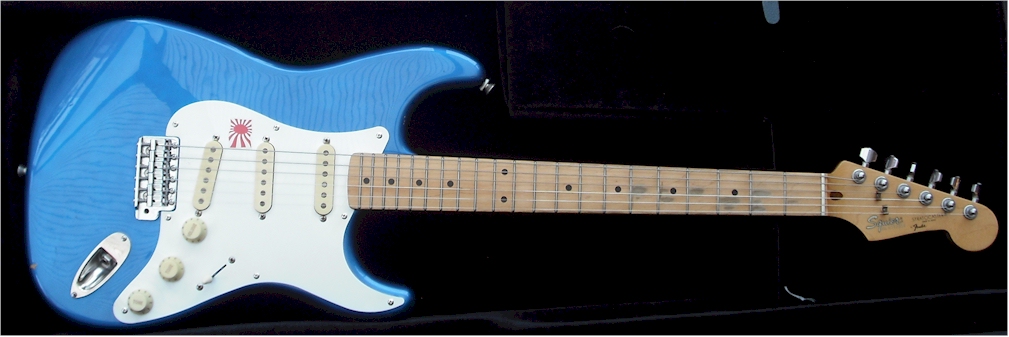
You’ll notice the Squier E serials tend to have the truss access at the heel. I love the white plastic string tree placers, also the tuners which tend to be made by GOTOH and often have ‘Fender Japan’ stamped on them.
 And here’s a lefty E serial version I got working again …
Fender Stratocaster – ‘Squier Series’ made in Japan
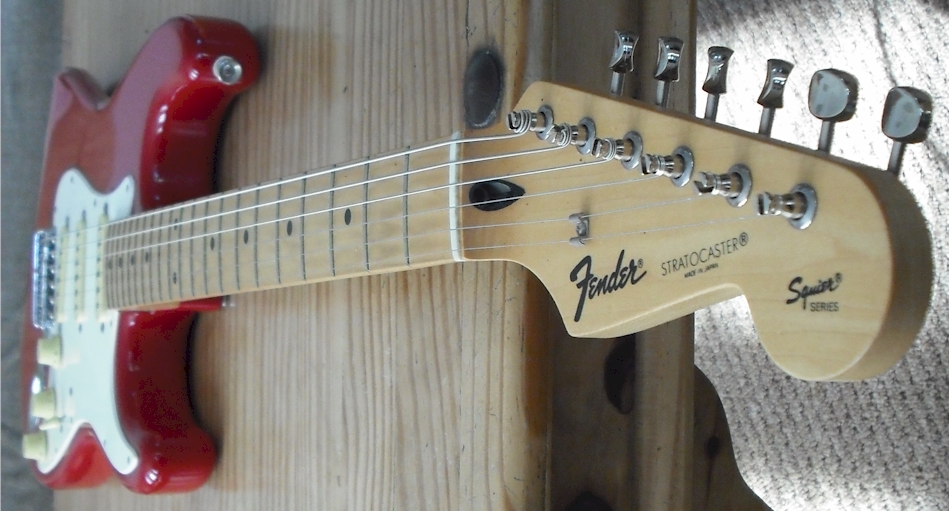
You’ll see a few of these oddball mid-90s Strats around – made in Mexico or Japan – with a black Fender logo and ‘Squier Series’ on the ball of the headstock (which people would sometimes rub off).
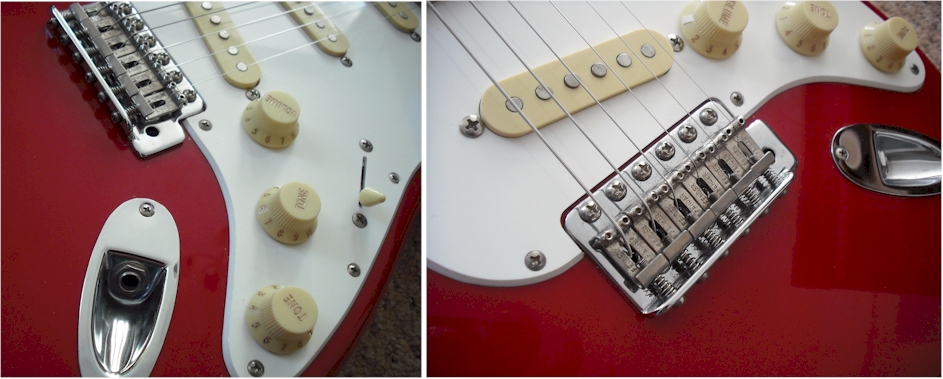
Essentially, these are Fender Standard models but with a few of compromises – horrible clunky tuning pegs and plain saddles. When refurbishing these, I’d always upgrade both (as shown here) …
Fender Stratocaster – made in Korea
Generally speaking, Korean (MIK) Squier models fall way below Japanese models. But the exceptions are the E1 serial Fender Stratocaster and Squier Stratocaster models. These are amazing guitars.
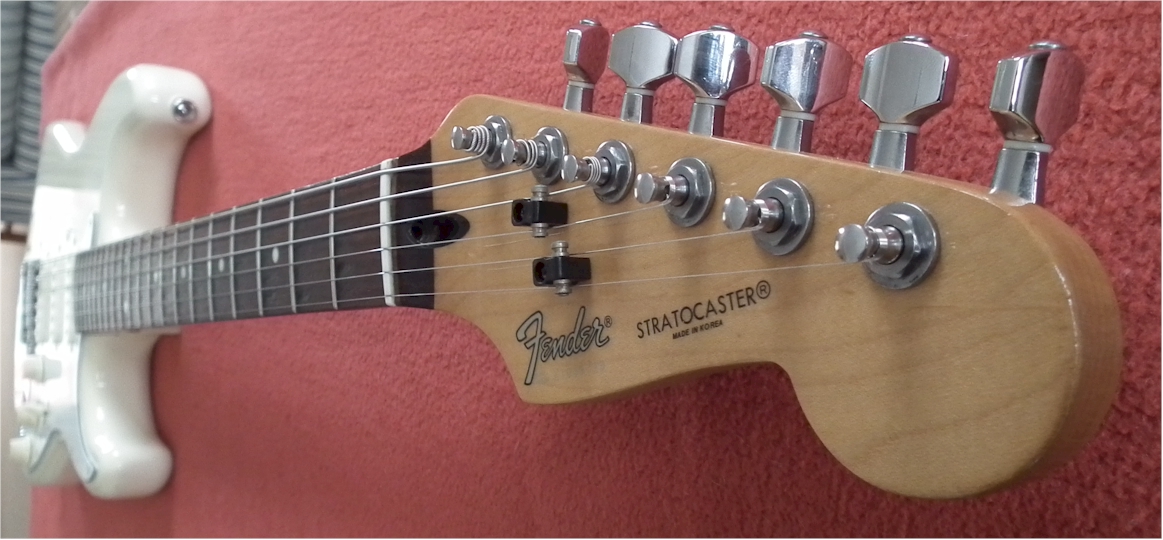
Ok, so the pickups are ceramics. But everything else is spot on with both models: full thickness wood (not ply) bodies, ultra-skinny necks, Japanese-made GOTOH tuners, Fender-stamped saddles and even the black strings trees that some Fender Japan models have. Selling normally for around £150-200, the E serial MIK Squier is a great find.

Each of the guitars you’ve just read about now have new homes.
 Axe Relics UK